
Top-Rated Tennis Court Fencing Materials for Long-Lasting Use
Compare the most durable fencing materials suitable for different tennis court sizes and usage levels.
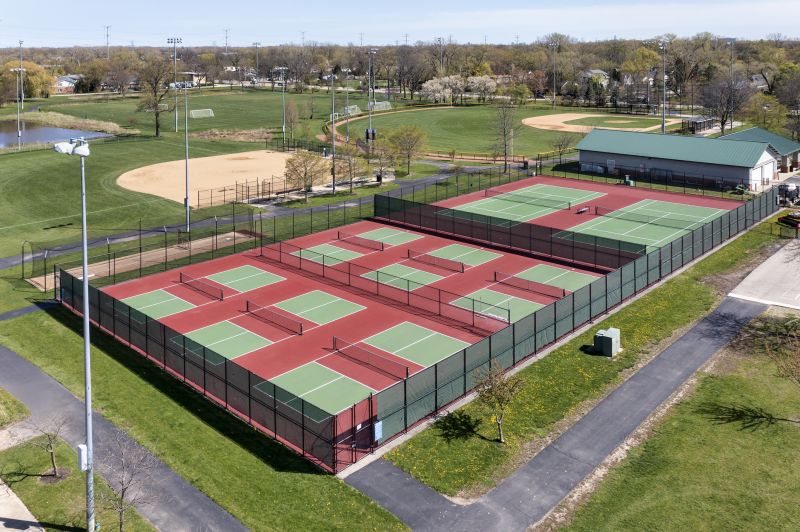 Tennis court fencing plays a vital role in defining the boundaries of the playing area while also providing safety and security for players and spectators. The selection of fencing materials and designs can influence not only the durability and maintenance requirements but also the overall aesthetic of the sports facility. Common fencing options include chain link, vinyl-coated wire, aluminum, and wood, each offering different advantages in terms of visibility, strength, and appearance. Proper fencing ensures that balls stay within the court and prevents unauthorized access, making it a critical component for both amateur and professional tennis facilities.
Top Overall Option
High-Quality Chain Link Fencing System
A durable chain link fencing system is often considered a versatile choice for tennis courts, offering a balance of strength, visibility, and affordability. Its galvanized steel construction resists rust and corrosion, making it suitable for outdoor environments. The mesh design allows for unobstructed views and airflow, which are important for gameplay and spectator experience. Easy to install and maintain, this type of fencing can be customized in height and coating options to meet specific court requirements.
Types of Products For Tennis Court Fencings
Chain Link Fencing
A popular choice for its durability and affordability, chain link fencing provides a secure boundary with good visibility and airflow.
Vinyl-Coated Wire Fencing
Offers a corrosion-resistant surface with a smooth finish, reducing maintenance needs and enhancing aesthetic appeal.
Aluminum Fencing
Lightweight and resistant to rust, aluminum fencing provides a sleek appearance and easy installation.
Wooden Fencing
Provides a traditional look with natural aesthetics, often used for private or recreational courts.
Sports Netting
Netting options are essential for safety and boundary marking, available in various mesh sizes and materials.
PVC Fencing Panels
Made from durable plastic, these panels are low-maintenance and can be customized in color and height.
Mesh Vinyl Fencing
Combines the strength of mesh with vinyl coating for weather resistance and minimal upkeep.
Decorative Fencing
Designed to enhance aesthetic appeal while maintaining security, often featuring ornamental designs.
Temporary Fencing
Ideal for tournaments or events, offering quick installation and removal without permanent fixtures.
Security Fencing
Enhanced with features like barbed wire or anti-climb designs for restricted access areas.
Polypropylene Fencing
A lightweight, flexible option often used for boundary marking or temporary enclosures.
Galvanized Steel Fencing
Provides high strength and corrosion resistance, suitable for outdoor courts exposed to the elements.
Popular Choices
Widely used for its affordability and durability, suitable for various outdoor tennis courts.
Popular for its low maintenance and clean appearance, offering weather resistance.
Chosen for its lightweight nature and rust resistance, easy to install and maintain.
A trending option for combining strength with minimal upkeep, suitable for various court settings.
Often selected for aesthetic appeal in recreational or private courts, available in various designs.
Ideal for tournaments and events, offering flexibility and ease of setup.
Trending for courts requiring additional access control and safety measures.
A common choice for outdoor courts needing robust and weather-resistant fencing.
Low-maintenance and customizable, frequently used in private and community courts.
Offers visibility and durability, popular among recreational facilities.
When choosing fencing for a tennis court, factors such as height, material strength, weather resistance, and ease of installation come into play. For outdoor courts, weather-resistant materials that can withstand exposure to sun, rain, and wind are essential. Additionally, fencing should allow for adequate airflow and visibility to facilitate gameplay and spectator viewing. Maintenance considerations also influence the choice of fencing; some materials require regular upkeep, while others are designed for minimal maintenance over time.
Innovative fencing solutions now incorporate features like noise reduction, enhanced security, and aesthetic customization, allowing facility owners to tailor their courts to specific needs and preferences. Whether for a community park, school, or private club, selecting the right fencing enhances the overall experience and safety of the tennis environment. Investing in quality fencing can also contribute to the longevity of the court infrastructure, reducing long-term costs and ensuring consistent play conditions.
Key Buying Considerations
- Determine the required fence height based on safety and boundary needs.
- Choose weather-resistant materials suitable for outdoor exposure.
- Assess the level of security needed, including features like anti-climb designs.
- Consider the ease of installation and whether professional setup is necessary.
- Evaluate maintenance requirements for long-term durability.
- Select a material that offers good visibility for players and spectators.
- Factor in aesthetic preferences to match the overall court design.
- Analyze budget constraints while balancing quality and longevity.
- Check for compliance with local regulations or sports facility standards.
- Decide on additional features like gates, locks, or privacy screens.
- Think about future expansion or modifications when choosing fencing type.
- Review warranty and support options from suppliers.
- Consider noise reduction features if located in residential areas.
- Ensure compatibility with existing court infrastructure and fencing accessories.
- Look for options that provide UV resistance to prevent sun damage over time.